
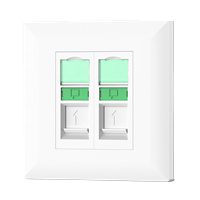
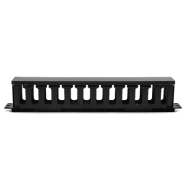
Patch Panels The Backbone of Efficient Network Infrastructure
In the age of digital transformation, reliable network connectivity is essential for businesses, data centers, and telecommunications providers. One of the most critical components ensuring the seamless operation of modern networks is the patch panel. Serving as a central hub for managing and organizing network cables, patch panels simplify connectivity, improve efficiency, and enhance the overall performance of IT infrastructure.
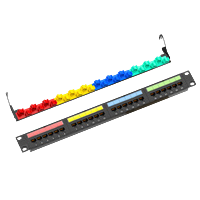
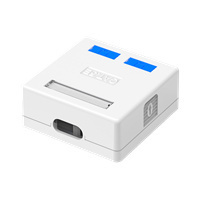
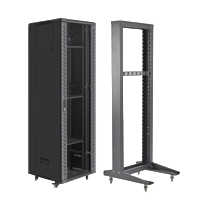
A patch panel, also known as a patch bay, is a hardware device containing multiple ports to facilitate the connection and routing of cables within a network. Typically installed in racks or enclosures, patch panels allow network administrators to manage connections between servers, switches, routers, and other network devices with minimal complexity. By providing a structured approach to cabling, patch panels prevent tangled wires, reduce downtime, and make troubleshooting more efficient.
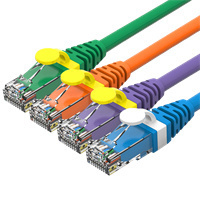
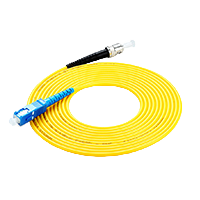
There are various types of patch panels designed to meet the diverse needs of modern network environments. Copper patch panels, compatible with Ethernet cables, are widely used in office networks, data centers, and industrial facilities. These panels support different standards such as Cat5e, Cat6, and Cat6a, ensuring high-speed data transmission and reliable connectivity. Fiber optic patch panels, on the other hand, cater to high-bandwidth applications and long-distance transmission, playing a crucial role in backbone networks, telecommunications, and large-scale enterprise infrastructures.
One of the primary benefits of patch panels is cable management. In complex network setups, hundreds or even thousands of cables run between devices, creating potential confusion and increasing the risk of errors. Patch panels organize these cables into labeled ports, making it easier to identify connections, add or remove devices, and maintain network integrity. This structured approach reduces maintenance costs and minimizes the likelihood of downtime caused by accidental disconnections or misconfigurations.
Flexibility and scalability are other key advantages of patch panels. As businesses grow and network demands increase, patch panels allow for seamless expansion. New devices and additional connections can be integrated without the need for extensive rewiring. Modular patch panels provide further adaptability, enabling administrators to add or replace individual modules based on changing requirements. This modularity ensures that networks remain flexible, future-proof, and capable of accommodating evolving technological needs.
Patch panels also contribute to network performance and reliability. By centralizing connections, they minimize signal degradation and interference that can occur in direct cabling setups. High-quality patch panels are constructed with durable materials and precise engineering, ensuring consistent performance even in high-density network environments. Features such as shielded ports, reinforced connectors, and cable management accessories enhance overall signal integrity and reduce the risk of network interruptions.
Installation and maintenance are simplified with patch panels. Most panels come with standardized mounting options for 19-inch racks or wall enclosures, making them compatible with existing IT infrastructure. Color-coded ports, labeling systems, and clear documentation assist technicians in quick installation and efficient network management. Additionally, patch panels provide convenient access points for testing and troubleshooting, reducing the time and effort required to resolve connectivity issues.
In addition to their technical advantages, patch panels are essential for compliance and security. In regulated industries such as finance, healthcare, and government, structured cabling systems with patch panels help meet industry standards and ensure data integrity. By maintaining organized and documented connections, organizations can demonstrate adherence to best practices and simplify audits and inspections.
The adoption of patch panels is further driven by the growing complexity of modern networks. With the rise of cloud computing, virtualization, and Internet of Things (IoT) devices, networks must support high data throughput, low latency, and reliable connectivity. Patch panels provide a scalable, organized, and efficient framework to meet these demands. They enable network administrators to implement advanced routing, redundancy, and monitoring strategies, ensuring optimal performance across the entire IT ecosystem.
Innovation in patch panel technology continues to evolve. Manufacturers are developing panels with higher port densities, improved heat dissipation, and integrated management features such as intelligent monitoring and remote configuration. These innovations reduce physical clutter, enhance network visibility, and allow administrators to proactively manage connectivity issues before they impact operations.
In conclusion, patch panels are the backbone of modern network infrastructure. They provide structured cabling, simplify management, enhance performance, and support scalability, making them indispensable for businesses, data centers, and telecommunications networks. By investing in high-quality patch panels, organizations can ensure efficient, reliable, and secure network operations, meeting the ever-growing demands of today’s digital world.
Latest news & events

Dec 12,2025
Global RJ45 Cable Connector Market Surges with Growing Demand for High-Speed Networking
RJ45 cable connector ensures fast, reliable Ethernet connections for computers, routers, switches, and network devices
Learn more
Dec 08,2025
RJ45 Faceplate Innovations Driving Modern Network Infrastructure
High-quality RJ45 Faceplate for stable Ethernet connections. Durable, flame-retardant, and compatible with Cat5e to Cat7 keystone jacks. Ideal for homes and offices
Learn more
Dec 01,2025
RJ45 Connector The Backbone of Modern Network Connectivity
RJ45 connectors ensure reliable Ethernet connectivity, supporting high-speed networks in homes, businesses, and industrial applications worldwide.
Learn more
Nov 24,2025
Faceplate Transforming Modern Technology and Design
Faceplates are protective and decorative panels on devices, providing durability, style, and functionality for electronics, appliances, and industrial equipment.
Learn more

HYCONNECT provides integrated solutions for cabling infrastructure system copper and fiber. The major components including Cat5e/6/6A/7/8 keystone jack,patch panel,faceplate,plug and cable management,fiber optic patch cable,adapter,and fiber patch panel
No. 240, New Zhoutang Road, Qiaotou Town, Cixi City , Ningbo Zhejiang, China
