
How to Choose Between Shielded and Unshielded FTP Keystone Jacks: A Comprehensive Guide
How to Choose Between Shielded and Unshielded FTP Keystone Jacks
When it comes to setting up a reliable network infrastructure, choosing the right components is crucial. Among these, **keystone jacks** play a vital role in establishing a seamless connection. In this article, we delve into the differences between shielded and unshielded **FTP keystone jacks**, providing you with the necessary insights to make an informed decision.
Table of Contents
- Understanding FTP Keystone Jacks
- Difference Between Shielded and Unshielded FTP Keystone Jacks
- Importance of Shielding in Networking
- When to Use Shielded FTP Keystone Jacks
- When to Use Unshielded FTP Keystone Jacks
- Installation Considerations for Keystone Jacks
- Maintaining Your Network with the Right Components
- Frequently Asked Questions
Understanding FTP Keystone Jacks
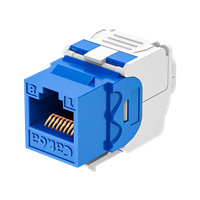
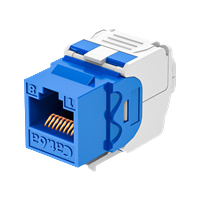
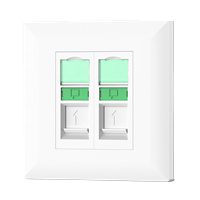
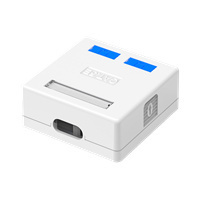
**FTP (Foiled Twisted Pair)** keystone jacks are essential components used in structured cabling systems. They allow for the termination of twisted pair cables, providing an interface for connections in networking environments. These jacks are specifically designed to support various Ethernet standards, ensuring compatibility with modern networking requirements.
When choosing an FTP keystone jack, it’s important to understand the different types available: shielded and unshielded. Each type has its unique features and advantages, making them suitable for specific applications in networking.
Difference Between Shielded and Unshielded FTP Keystone Jacks
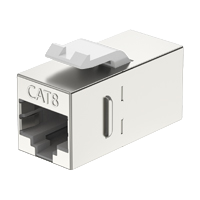
The primary distinction between shielded and unshielded FTP keystone jacks lies in their construction. **Shielded keystone jacks** incorporate a shielding mechanism designed to protect the internal wires from electromagnetic interference (EMI) and radio frequency interference (RFI). This additional layer of protection typically consists of foil or braided metal layers that surround the twisted pairs of wires.
On the other hand, **unshielded FTP keystone jacks** do not offer this extra shielding. While they still provide some level of protection against external interference, they are more susceptible to noise and interference from surrounding electrical equipment and signals. This makes unshielded jacks suitable for environments with minimal interference.
Importance of Shielding in Networking
Shielding plays a crucial role in maintaining the integrity and efficiency of network signals. The presence of external interference can lead to **signal degradation**, causing slower speeds and potential data loss. Shielded FTP keystone jacks mitigate these risks by preventing external noise from affecting the data being transmitted. This is particularly important in environments with multiple electronic devices, such as offices, data centers, or industrial settings.
Types of Shielding
Shielding in FTP keystone jacks can be categorized into two main types:
- Foil Shielding: This type involves a thin layer of metallic foil wrapped around the wires. It provides a strong barrier against EMI and RFI, ensuring cleaner signal transmission.
- Braid Shielding: This consists of woven strands of metal, offering flexibility along with excellent protection against interference. Braid shielding is often found in higher-end keystone jacks.
When to Use Shielded FTP Keystone Jacks
Choosing shielded FTP keystone jacks is ideal for specific scenarios. Consider using them in the following situations:
1. High Electromagnetic Interference Environments
If your network operates in an area with a lot of electronic devices—such as radios, motors, or other machinery—shielded keystone jacks should be your go-to option. They provide a robust defense against interference.
2. Long Cable Runs
For longer cable runs, signal integrity becomes a concern. The shielding in these jacks helps maintain the quality of the signal over extended distances, reducing the risk of degradation.
3. Data Centers and Server Rooms
In high-density data environments, where numerous servers and networking equipment coexist, shielded keystone jacks help ensure optimal performance and reliability.
When to Use Unshielded FTP Keystone Jacks
While shielded jacks provide significant advantages, there are scenarios where unshielded FTP keystone jacks are suitable:
1. Residential Applications
For home networks with minimal electronic interference, unshielded jacks are typically sufficient. They offer a cost-effective solution without compromising performance.
2. Short Cable Runs
In scenarios where the distance between devices is short, unshielded jacks can effectively transmit data without the need for additional shielding.
3. Budget Constraints
If you’re working within a limited budget, unshielded FTP keystone jacks provide a reliable option for basic networking needs without the added expense of shielding.
Installation Considerations for Keystone Jacks
Proper installation of keystone jacks is crucial for ensuring optimal performance. Here are some key considerations:
1. Cable Compatibility
Ensure that the cables you are using are compatible with the keystone jacks. Check the specifications to avoid any connectivity issues.
2. Proper Termination
It is essential to follow the correct wiring scheme during termination. Utilizing the T568A or T568B standards will help maintain consistency across your network.
3. Testing and Verification
After installation, conduct testing to verify the integrity of the connections. Use cable testers to ensure that signals are being transmitted correctly and that there are no faults.
Maintaining Your Network with the Right Components
Regular maintenance of your networking components is essential for long-term performance. Here are some tips for keeping your keystone jacks in optimal condition:
1. Regular Inspection
Periodically inspect your keystone jacks for any signs of wear or damage. Addressing issues early can prevent larger problems down the line.
2. Cleanliness
Keep the area around your jacks clean and free from dust and debris. This helps maintain signal quality and reduces the risk of interference.
3. Upgrade as Necessary
As technology advances or your networking needs change, consider upgrading to newer models of shielded or unshielded keystone jacks that better suit your requirements.
Frequently Asked Questions
1. What is the primary difference between shielded and unshielded FTP keystone jacks?
The primary difference lies in shielding; shielded jacks have additional protection against interference, while unshielded jacks do not.
2. Can I use unshielded jacks in a high-interference environment?
While unshielded jacks can work in low-interference environments, it's advisable to use shielded jacks in high-interference scenarios to maintain signal integrity.
3. Are shielded keystone jacks more expensive?
Yes, shielded keystone jacks are generally more expensive due to their additional protective features.
4. Do I need special tools to install keystone jacks?
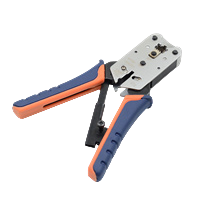
A standard punch-down tool is typically required for proper installation, especially for terminating wires correctly.
5. How can I determine if my installation is successful?
Use a cable tester to check for connectivity, signal quality, and the absence of faults after installation.
Conclusion
Choosing between shielded and unshielded FTP keystone jacks is essential for ensuring your network operates smoothly and efficiently. By understanding the differences, applications, and installation considerations, you can make an informed choice that meets your networking needs. Whether you opt for shielded jacks to combat interference in high-density environments or unshielded jacks for simpler setups, prioritizing the right components will enhance your network’s reliability and performance.
Latest news & events

Mar 17,2026
Keystone Jack: Essential Component for Modern Networking Solutions
Newest Keystone jack brands offer high-performance, reliable, and versatile connectors for modern networking needs
Learn more
Mar 12,2026
Network Cable Boots Enhancing Protection and Reliability in Modern Cabling Systems
China Network Cable Boots factory produces premium PVC covers that protect Ethernet connectors and ensure stable data flow
Learn more
Mar 11,2026
RJ45 Connector: The Essential Interface Driving Modern Network Connectivity
In the rapidly evolving world of digital communication, reliable data transmission is fundamental to the functioning of modern networks. One of the most widely used components enabling this connectivity is the RJ45 connector
Learn more

HYCONNECT provides integrated solutions for cabling infrastructure system copper and fiber. The major components including Cat5e/6/6A/7/8 keystone jack,patch panel,faceplate,plug and cable management,fiber optic patch cable,adapter,and fiber patch panel
No. 240, New Zhoutang Road, Qiaotou Town, Cixi City , Ningbo Zhejiang, China
