
RJ45 Connector: The Essential Interface Driving Modern Network Connectivity
In the rapidly evolving world of digital communication, reliable data transmission is fundamental to the functioning of modern networks. One of the most widely used components enabling this connectivity is the RJ45 connector. Found in homes, offices, data centers, and industrial networks, the RJ45 connector has become a standard interface for Ethernet networking. Its simple yet effective design allows devices to connect through twisted-pair cables, enabling stable and high-speed data communication across local area networks.
The term RJ45 stands for “Registered Jack 45,” a standardized network interface originally developed for telecommunications. Over time, it became closely associated with Ethernet networking due to its compatibility with twisted-pair cables such as Cat5, Cat5e, Cat6, and newer categories. The RJ45 connector typically features eight metal contacts arranged in a modular plug structure that fits securely into compatible network ports. This configuration allows electrical signals to travel through eight individual wires, enabling efficient data transmission between connected devices.
One of the key advantages of the RJ45 connector is its versatility. It is used in a wide variety of devices including computers, routers, switches, network printers, IP cameras, smart televisions, and industrial control systems. In both residential and commercial environments, RJ45 connectors form the backbone of wired networking infrastructure. While wireless technology has grown rapidly in recent years, wired Ethernet connections using RJ45 connectors remain essential for applications that require stability, security, and consistent high-speed performance.
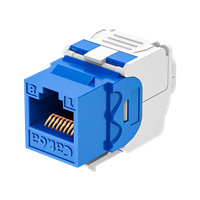
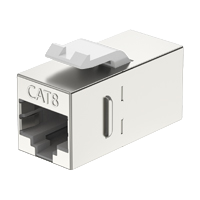
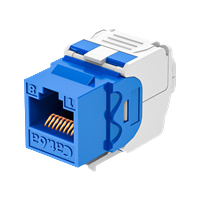
The structure of an RJ45 connector is designed for reliability and ease of installation. Most connectors are made from durable plastic housing with gold-plated metal contacts that ensure stable electrical conductivity. The gold plating helps prevent corrosion and improves signal quality, particularly in environments where long-term performance is required. The connector also features a locking tab that secures it into the network port, preventing accidental disconnection during use.
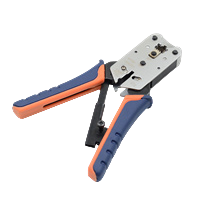
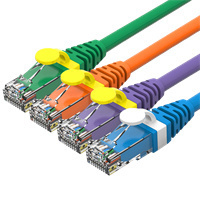
RJ45 connectors are commonly used with Ethernet cables that follow specific wiring standards, such as T568A and T568B. These wiring schemes define the arrangement of the eight wires inside the cable, ensuring compatibility across networking equipment. Proper termination of cables with RJ45 connectors is essential to maintain signal integrity and minimize interference. Network technicians often use specialized crimping tools to attach connectors securely to the cable ends.
Another important factor contributing to the widespread adoption of RJ45 connectors is their support for high-speed networking technologies. Modern Ethernet standards such as Gigabit Ethernet and even 10-Gigabit Ethernet rely on RJ45 connectors combined with high-performance cables. This capability allows organizations to build scalable networks that support large volumes of data traffic without sacrificing reliability.
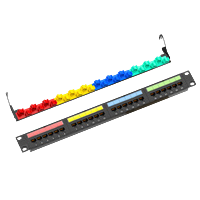
In data centers and enterprise networks, RJ45 connectors play a critical role in connecting servers, switches, and network storage devices. Structured cabling systems often rely on RJ45 patch panels and connectors to organize and manage complex network infrastructure. This standardized approach simplifies installation, maintenance, and upgrades while ensuring compatibility across various networking devices.
Industrial environments also depend on RJ45 connectors for reliable communication between machines and control systems. In manufacturing facilities, automated production lines often require stable network connections to monitor equipment performance, transmit sensor data, and coordinate system operations. Industrial-grade RJ45 connectors are sometimes designed with reinforced housings and shielding to withstand harsh conditions such as vibration, dust, and electromagnetic interference.
Another important development in the use of RJ45 connectors is Power over Ethernet (PoE) technology. PoE allows electrical power and data signals to be transmitted through the same Ethernet cable. Devices such as IP cameras, wireless access points, and VoIP phones can receive both power and network connectivity through a single RJ45 cable. This reduces the need for separate power wiring and simplifies installation in many applications.
The continuing growth of smart buildings and connected devices is further increasing the importance of RJ45 connectors. As more devices become part of the Internet of Things (IoT), reliable wired networking remains essential in many environments. Security systems, smart lighting controllers, and building automation platforms often rely on RJ45-based Ethernet connections to maintain stable communication.
In addition to performance and reliability, RJ45 connectors are valued for their cost efficiency. Their standardized design enables large-scale production, making them affordable components for network installations of all sizes. The simplicity of the connector also allows for quick replacement or repair when necessary, reducing maintenance time and operational costs.
Despite the expansion of wireless networking, experts agree that wired connections using RJ45 connectors will remain an important part of global communication infrastructure. Wireless networks offer flexibility and mobility, but wired Ethernet continues to provide superior stability, lower latency, and higher security for many critical applications.
Looking toward the future, advancements in cable technology and networking standards are expected to further enhance the capabilities of RJ45 connectors. Higher-speed Ethernet systems and improved shielding technologies will continue to support growing data demands across industries. From home networks to global data infrastructure, the RJ45 connector will remain a fundamental component enabling reliable digital communication.
As the world becomes increasingly connected, the role of the RJ45 connector in supporting stable and efficient network communication will continue to expand. Its standardized design, durability, and compatibility with evolving Ethernet technologies ensure that it will remain a cornerstone of modern networking systems for years to come.
Latest news & events

Mar 17,2026
Keystone Jack: Essential Component for Modern Networking Solutions
Newest Keystone jack brands offer high-performance, reliable, and versatile connectors for modern networking needs
Learn more
Mar 12,2026
Network Cable Boots Enhancing Protection and Reliability in Modern Cabling Systems
China Network Cable Boots factory produces premium PVC covers that protect Ethernet connectors and ensure stable data flow
Learn more
Mar 11,2026
RJ45 Connector: The Essential Interface Driving Modern Network Connectivity
In the rapidly evolving world of digital communication, reliable data transmission is fundamental to the functioning of modern networks. One of the most widely used components enabling this connectivity is the RJ45 connector
Learn more

HYCONNECT provides integrated solutions for cabling infrastructure system copper and fiber. The major components including Cat5e/6/6A/7/8 keystone jack,patch panel,faceplate,plug and cable management,fiber optic patch cable,adapter,and fiber patch panel
No. 240, New Zhoutang Road, Qiaotou Town, Cixi City , Ningbo Zhejiang, China
