
RJ45 Connector Essential Component for Reliable Network Connectivity
The RJ45 connector is a standard network interface widely used in Ethernet networking, telecommunications, and data transmission systems. Known for its versatility and reliability, it serves as the primary connection point between network cables and devices such as computers, routers, switches, and modems. RJ45 connectors have become an indispensable part of modern digital infrastructure, providing efficient and stable connections for both home and enterprise networks.
With the ever-growing demand for high-speed data transfer and seamless communication, RJ45 connectors play a critical role in ensuring consistent network performance. Their design and compatibility make them suitable for a wide range of applications, from small office setups to large-scale industrial networks.
Structure and Design
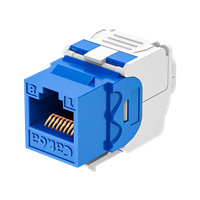
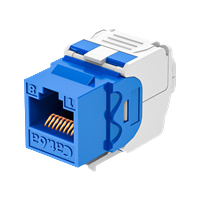
An RJ45 connector typically features eight pins arranged in a single row within a clear plastic housing. These pins correspond to the twisted pairs of wires in Ethernet cables, enabling the transmission of data signals. The most common cable types used with RJ45 connectors are Cat5, Cat5e, Cat6, and Cat6a, each supporting different data rates and bandwidth capacities.
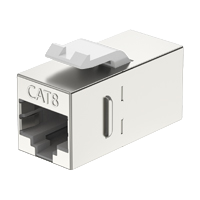
The connector is designed to be durable and reliable, with a locking tab that secures it into the port to prevent accidental disconnections. Gold-plated contacts are often used to enhance conductivity and reduce signal loss, ensuring optimal performance even in high-speed networks. Additionally, many RJ45 connectors are shielded to minimize electromagnetic interference (EMI), which is crucial in environments with heavy electronic equipment or industrial machinery.
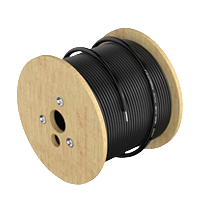
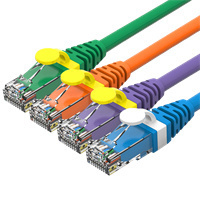
RJ45 connectors can be pre-terminated on cables for easy installation or supplied as modular plugs for custom cable assembly. Their modularity allows network technicians to create precise cable lengths and configurations, enhancing flexibility in network deployment.
Applications and Benefits
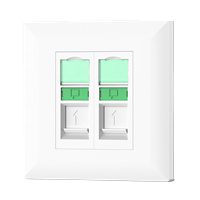
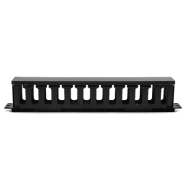
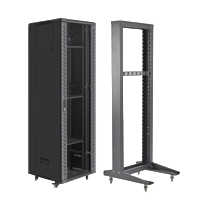
The versatility of RJ45 connectors makes them suitable for a wide range of networking applications. In residential environments, they are commonly used to connect computers, gaming consoles, smart TVs, and other devices to home networks. In business and industrial settings, RJ45 connectors enable reliable connections for servers, switches, network racks, and automation systems.
One of the primary benefits of RJ45 connectors is their ability to support high-speed data transmission. Depending on the cable type and network equipment, RJ45 connectors can handle data rates ranging from 10 Mbps up to 10 Gbps or more. This capability is essential for streaming, video conferencing, cloud computing, and other bandwidth-intensive applications.
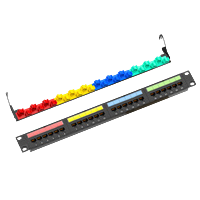
RJ45 connectors also simplify network maintenance and troubleshooting. Their standardized design allows for easy identification, replacement, and testing, reducing downtime and ensuring consistent network performance. Furthermore, they are compatible with structured cabling systems, making it easier to expand or reconfigure networks as needed.
Installation and Maintenance
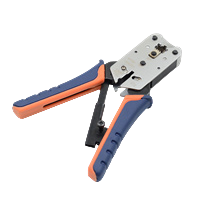
Proper installation of RJ45 connectors is crucial for optimal performance. Cable preparation involves stripping the outer jacket, arranging the twisted pairs according to wiring standards such as T568A or T568B, and securely crimping the connector onto the cable. Attention to detail ensures minimal signal loss and prevents cross-talk between wires.
Maintenance is generally low, but periodic inspection is recommended to identify loose connections, corrosion, or damaged cables. Using high-quality connectors and tools helps extend the lifespan of the network infrastructure and maintain reliable connectivity over time.
In industrial or high-traffic environments, additional protection such as strain relief boots or shielded connectors can prevent mechanical damage and electromagnetic interference. These enhancements are particularly valuable in factories, data centers, and outdoor installations where durability and signal integrity are paramount.
Conclusion
The RJ45 connector is a cornerstone of modern networking, offering reliability, efficiency, and flexibility across various applications. Its robust design, high-speed capabilities, and ease of installation make it an essential component for both residential and enterprise networks. As digital communication continues to evolve, RJ45 connectors remain a critical technology, ensuring stable, fast, and secure connections in homes, offices, and industrial environments.
Latest news & events

Mar 17,2026
Keystone Jack: Essential Component for Modern Networking Solutions
Newest Keystone jack brands offer high-performance, reliable, and versatile connectors for modern networking needs
Learn more
Mar 12,2026
Network Cable Boots Enhancing Protection and Reliability in Modern Cabling Systems
China Network Cable Boots factory produces premium PVC covers that protect Ethernet connectors and ensure stable data flow
Learn more
Mar 11,2026
RJ45 Connector: The Essential Interface Driving Modern Network Connectivity
In the rapidly evolving world of digital communication, reliable data transmission is fundamental to the functioning of modern networks. One of the most widely used components enabling this connectivity is the RJ45 connector
Learn more

HYCONNECT provides integrated solutions for cabling infrastructure system copper and fiber. The major components including Cat5e/6/6A/7/8 keystone jack,patch panel,faceplate,plug and cable management,fiber optic patch cable,adapter,and fiber patch panel
No. 240, New Zhoutang Road, Qiaotou Town, Cixi City , Ningbo Zhejiang, China
