
RJ45 Connector The Backbone of Modern Network Connectivity
In today’s increasingly connected world, the RJ45 connector has become an indispensable component in networking and telecommunications. From home offices to large-scale enterprise networks, RJ45 connectors serve as the primary interface for Ethernet cabling, facilitating reliable data transmission and network connectivity. This article delves into the history, design, applications, and technological advancements surrounding RJ45 connectors, highlighting why they remain a critical element in modern network infrastructure.
The Origin and Evolution of RJ45 Connectors
The RJ45 connector, a type of Registered Jack (RJ) standard, was originally developed as part of the Telecommunications Industry Association (TIA) wiring standards. It was designed to replace older, bulkier telephone connectors and provide a standardized interface for networking equipment. Over the years, the RJ45 connector has evolved from supporting basic Ethernet networks at 10 Mbps to accommodating high-speed gigabit and even 10-gigabit Ethernet transmissions. Its enduring popularity stems from its versatility, ease of use, and broad compatibility with twisted-pair cabling systems such as Cat5e, Cat6, and Cat6a.
Design and Structure of RJ45 Connectors
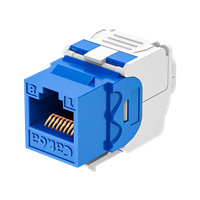
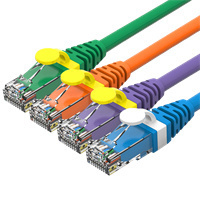
An RJ45 connector consists of eight pins arranged in a single row, housed within a clear or colored plastic body. These pins correspond to the eight conductors in a twisted-pair Ethernet cable, following specific wiring standards like T568A and T568B. The connector’s clip ensures a secure connection, preventing accidental disconnections while maintaining signal integrity. Modern RJ45 connectors also incorporate features like gold-plated contacts to reduce corrosion and signal loss, ensuring high-speed data transmission over extended periods.
Applications Across Industries
RJ45 connectors are ubiquitous in both residential and commercial networking environments. In homes, they enable seamless internet connectivity for computers, smart TVs, gaming consoles, and other devices. In enterprise settings, RJ45 connectors are integral to local area networks (LANs), connecting servers, switches, routers, and workstations. Data centers rely heavily on high-performance RJ45 connectors to manage massive volumes of data efficiently. Beyond traditional networking, RJ45 connectors also find applications in industrial automation, security systems, and Internet of Things (IoT) devices, reflecting their adaptability across various industries.
Technological Advancements
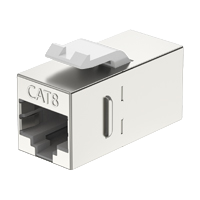
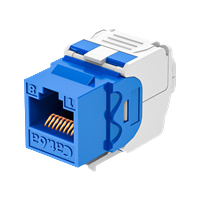
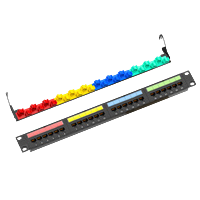
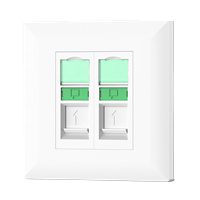
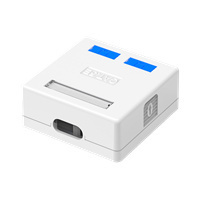
With the growing demand for faster and more reliable networks, RJ45 connectors have undergone continuous innovation. Cat6a and Cat7 Ethernet cables, paired with advanced RJ45 connectors, support speeds up to 10 Gbps over distances of 100 meters, making them suitable for high-bandwidth applications such as video streaming, cloud computing, and virtual reality. Shielded RJ45 connectors have also been developed to minimize electromagnetic interference (EMI), ensuring stable data transmission in environments with high electrical noise. Additionally, modular RJ45 jacks now offer easy installation, improved durability, and compatibility with modern patch panels and wall outlets.
Global Market Trends
The global RJ45 connector market has experienced significant growth in recent years, driven by expanding internet penetration, data center deployments, and the rise of smart home and IoT devices. North America and Europe dominate the market, but Asia-Pacific is rapidly emerging as a key growth region due to increased industrialization and IT infrastructure investments. Manufacturers are focusing on producing high-quality, customizable RJ45 connectors that meet international standards and cater to diverse industry needs. OEM and ODM services for RJ45 connectors are also increasingly popular, allowing businesses to integrate connectors seamlessly into networking products.
Challenges and Considerations
Despite their widespread use, RJ45 connectors face challenges such as compatibility issues, wear and tear, and signal degradation over long cable runs. Ensuring proper installation, using quality cables, and adhering to wiring standards are critical for maintaining network performance. Additionally, the emergence of wireless networking solutions presents a competitive landscape, though RJ45 connectors remain indispensable for high-speed, stable, and secure wired connections.
Conclusion
RJ45 connectors continue to be the backbone of modern network connectivity. Their evolution, from basic telephone connectors to high-performance networking components, underscores their importance in facilitating reliable data communication. As the demand for faster, more secure, and resilient networks grows, RJ45 connectors will remain a vital part of technological infrastructure, powering homes, businesses, data centers, and industrial applications worldwide. For anyone looking to establish a robust network, investing in high-quality RJ45 connectors is essential for achieving optimal performance and long-term reliability.
Latest news & events

Mar 17,2026
Keystone Jack: Essential Component for Modern Networking Solutions
Newest Keystone jack brands offer high-performance, reliable, and versatile connectors for modern networking needs
Learn more
Mar 12,2026
Network Cable Boots Enhancing Protection and Reliability in Modern Cabling Systems
China Network Cable Boots factory produces premium PVC covers that protect Ethernet connectors and ensure stable data flow
Learn more
Mar 11,2026
RJ45 Connector: The Essential Interface Driving Modern Network Connectivity
In the rapidly evolving world of digital communication, reliable data transmission is fundamental to the functioning of modern networks. One of the most widely used components enabling this connectivity is the RJ45 connector
Learn more

HYCONNECT provides integrated solutions for cabling infrastructure system copper and fiber. The major components including Cat5e/6/6A/7/8 keystone jack,patch panel,faceplate,plug and cable management,fiber optic patch cable,adapter,and fiber patch panel
No. 240, New Zhoutang Road, Qiaotou Town, Cixi City , Ningbo Zhejiang, China
