
Understanding Patch Cord for Reliable Network Connectivity
Understanding Patch Cords Essential Components for Network Connectivity
Patch cords, also known as patch cables or jumper cables, are fundamental components in modern networking systems. These flexible cables connect various devices within a network, such as switches, routers, computers, and patch panels, enabling the seamless transfer of data. Understanding the types, applications, and key features of patch cords is essential for designing and maintaining reliable network infrastructures.
Types of Patch Cords
Patch cords come in various types depending on the network requirements and cable technologies used. The most common types include Ethernet patch cords, fiber optic patch cords, and audio patch cords.
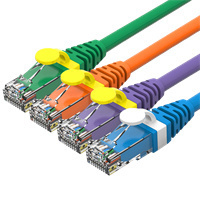
- Ethernet Patch Cords: These are typically made with twisted-pair copper cables, such as Cat5e, Cat6, or Cat6a. They support data transmission speeds from 1 Gbps up to 10 Gbps or higher, depending on the category. Ethernet patch cords have RJ45 connectors on both ends, allowing easy plug-and-play connections between devices.
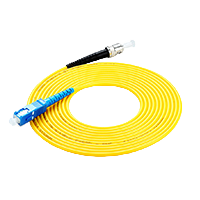
- Fiber Optic Patch Cords: Used for high-speed and long-distance communications, fiber optic patch cords use glass or plastic fibers to transmit data using light signals. These cords are vital in data centers and telecommunications infrastructure, offering high bandwidth and low signal loss.
- Audio Patch Cords: Common in audio and broadcasting equipment, these patch cords connect sound devices, microphones, and mixers. They typically use different connectors like XLR or 1/4-inch plugs.
Key Features of Patch Cords
Patch cords must provide reliable performance to ensure data integrity and network stability. Some important features include:
- Durability: High-quality materials and sturdy construction resist wear, bending, and environmental factors.
- Flexibility: Allows easy routing through tight spaces and cable management systems.
- Shielding: Reduces electromagnetic interference (EMI) and crosstalk, improving signal quality.
- Length Variability: Available in multiple lengths to suit different installation needs.
Applications
Patch cords are widely used in various settings:
- Data Centers: For connecting servers, switches, and storage devices.
- Offices and Homes: Enabling wired internet connections and local area networks (LANs).
- Telecommunications: Essential for linking telecom equipment and infrastructure.
- Broadcasting and Audio Systems: Connecting audio components with minimal signal loss.
Installation Tips
Proper installation of patch cords ensures optimal network performance. Some tips include:
- Avoid excessive bending or stretching of cables.
- Use cable organizers and labels for easy maintenance.
- Match cable category with network speed requirements.
- Test connections regularly to detect faults early.
Conclusion
Patch cords are small but critical components in any network system. Selecting the right type and quality of patch cord can significantly impact network reliability and speed. Understanding their characteristics and proper usage helps maintain efficient and robust network connectivity.
Latest news & events

Mar 17,2026
Keystone Jack: Essential Component for Modern Networking Solutions
Newest Keystone jack brands offer high-performance, reliable, and versatile connectors for modern networking needs
Learn more
Mar 12,2026
Network Cable Boots Enhancing Protection and Reliability in Modern Cabling Systems
China Network Cable Boots factory produces premium PVC covers that protect Ethernet connectors and ensure stable data flow
Learn more
Mar 11,2026
RJ45 Connector: The Essential Interface Driving Modern Network Connectivity
In the rapidly evolving world of digital communication, reliable data transmission is fundamental to the functioning of modern networks. One of the most widely used components enabling this connectivity is the RJ45 connector
Learn more

HYCONNECT provides integrated solutions for cabling infrastructure system copper and fiber. The major components including Cat5e/6/6A/7/8 keystone jack,patch panel,faceplate,plug and cable management,fiber optic patch cable,adapter,and fiber patch panel
No. 240, New Zhoutang Road, Qiaotou Town, Cixi City , Ningbo Zhejiang, China
